Abstract
Echocardiography is the first-line modality for establishing cardiac diagnoses. However, developing reliable automated tools on top of this modality is often constrained by data scarcity, interobserver variability, and domain shifts across centers and vendors. Recent foundation models illustrate a shift toward multimodal integration, combining ultrasound sequences with clinical reports for automatic diagnosis and report generation at scale. Yet these data-intensive approaches still lack visual evidence clinicians could inspect, explicit uncertainty modeling, and interpretability - leaving predictions difficult to trust or explain.
This talk presents an alternative strategy that leverages clinical knowledge to reduce reliance on massive datasets while reinforcing explainability. By extracting interpretable time series from ultrasound sequences - through robust segmentation, uncertainty estimation, and motion tracking - we bridge raw imaging data with clinically meaningful descriptors such as global and regional strain. We then show how these time series can be fused with patient tabular data (EHR) to characterize arterial hypertension, using transformer-based tokenizers and an ordinal classification scheme, before introducing a more advanced asymmetric fusion framework that decouples shared and modality-specific information to improve both performance and interpretability.
Finally, we discuss current limitations - restricted cohort size, simplified data representations, and the open challenge of more advanced explainability - and outline next steps toward clinically actionable, trustworthy multimodal diagnostic tools.
Speaker Bio
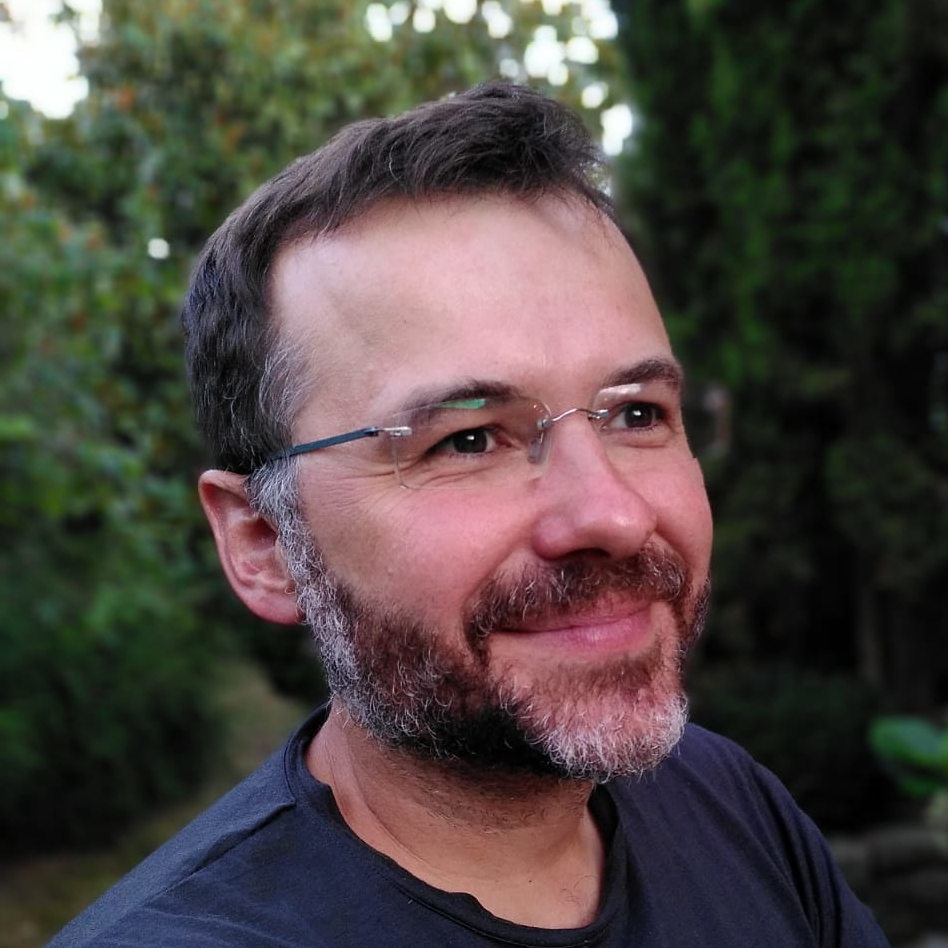
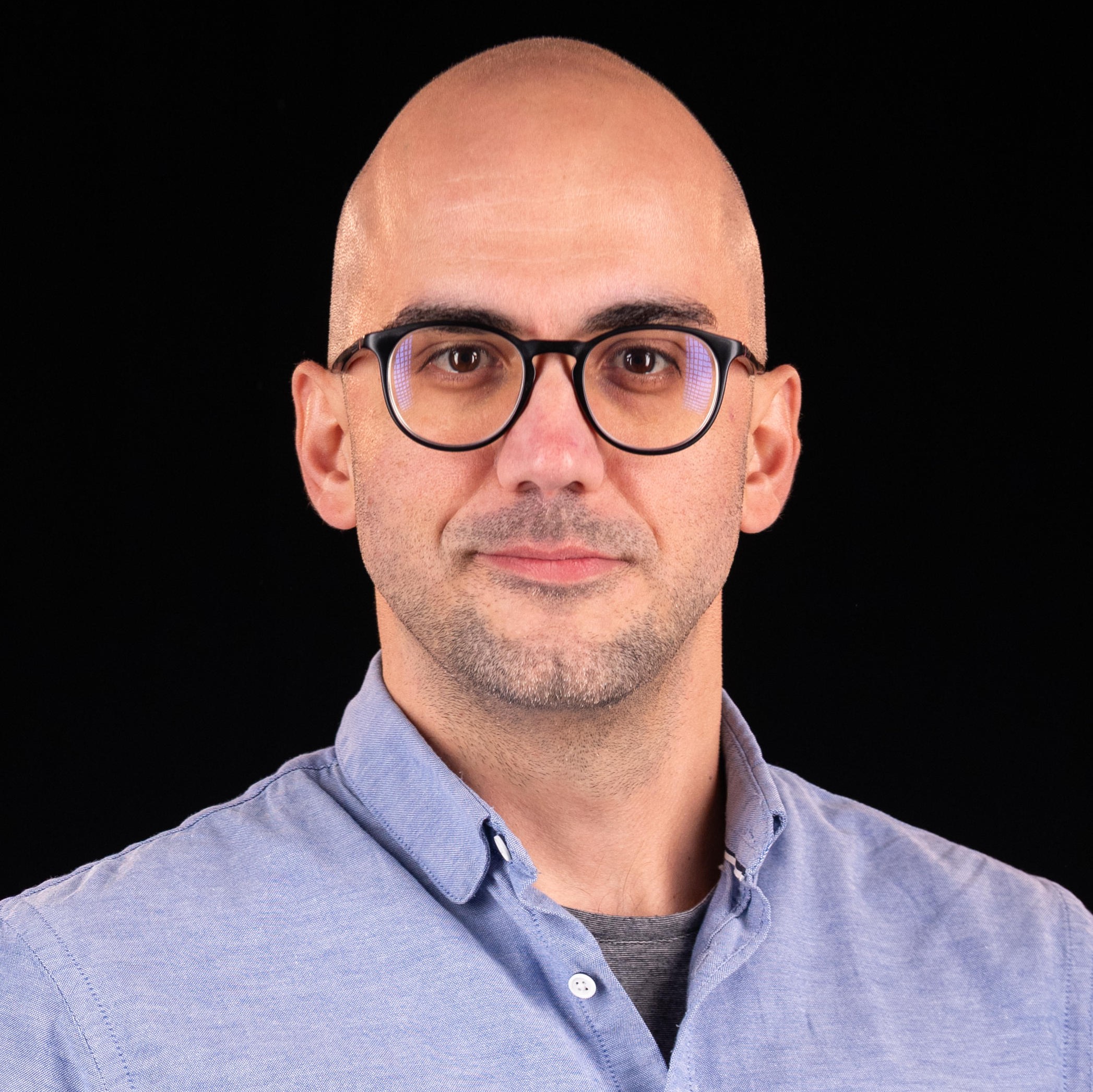
Prof. Bernard received his Electrical Engineering degree and Ph.D. from the University of Lyon (INSA), France, in 2003 and 2006, respectively. He was a Postdoctoral Fellow with the Biomedical Imaging Group at the Federal Polytechnic Institute of Lausanne, EPFL, Switzerland in 2007.
He is currently Professor at the University of Lyon (INSA) and the Deputy Director of the CREATIS laboratory in France. He is Senior member of the Institut Universitaire de France (IUF). He is also the head of the MYRIAD research team, which specializes in medical image analysis, simulation, and modeling.
His current research interests focus on image analysis through deep learning techniques, with applications in cardiovascular imaging, blood flow imaging, and population representation. From a methodological point of view, Prof. Bernard's recent research focuses on heterogeneous data integration, domain adaptation, and uncertainty estimation using AI-based methods.
Prof. Bernard is currently Associate Editor (AE) of the IEEE Transactions on Ultrasonics journal, AE of the European Heart Journal (Cardiovascular Imaging), and guest AE of the Transactions on Medical Imaging.